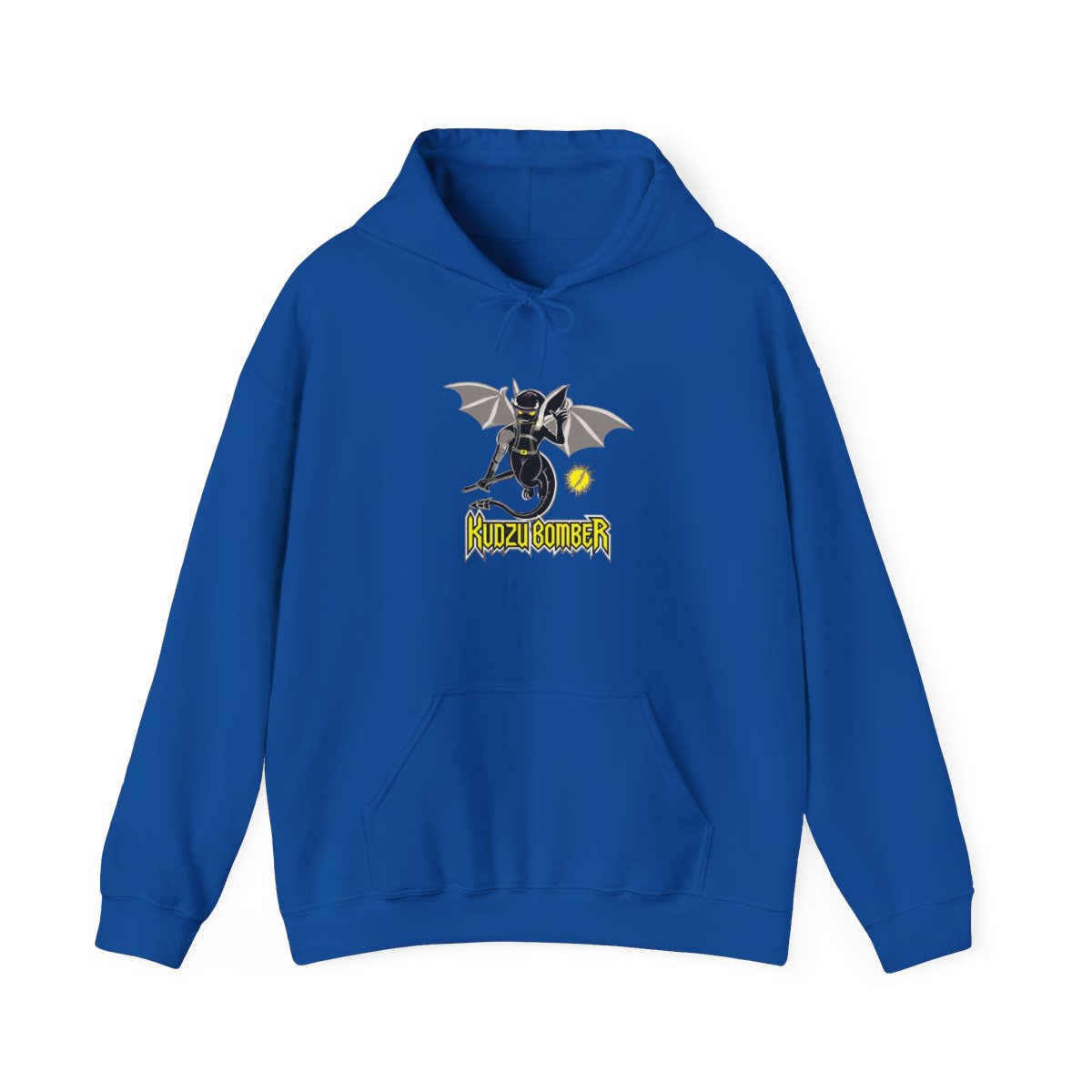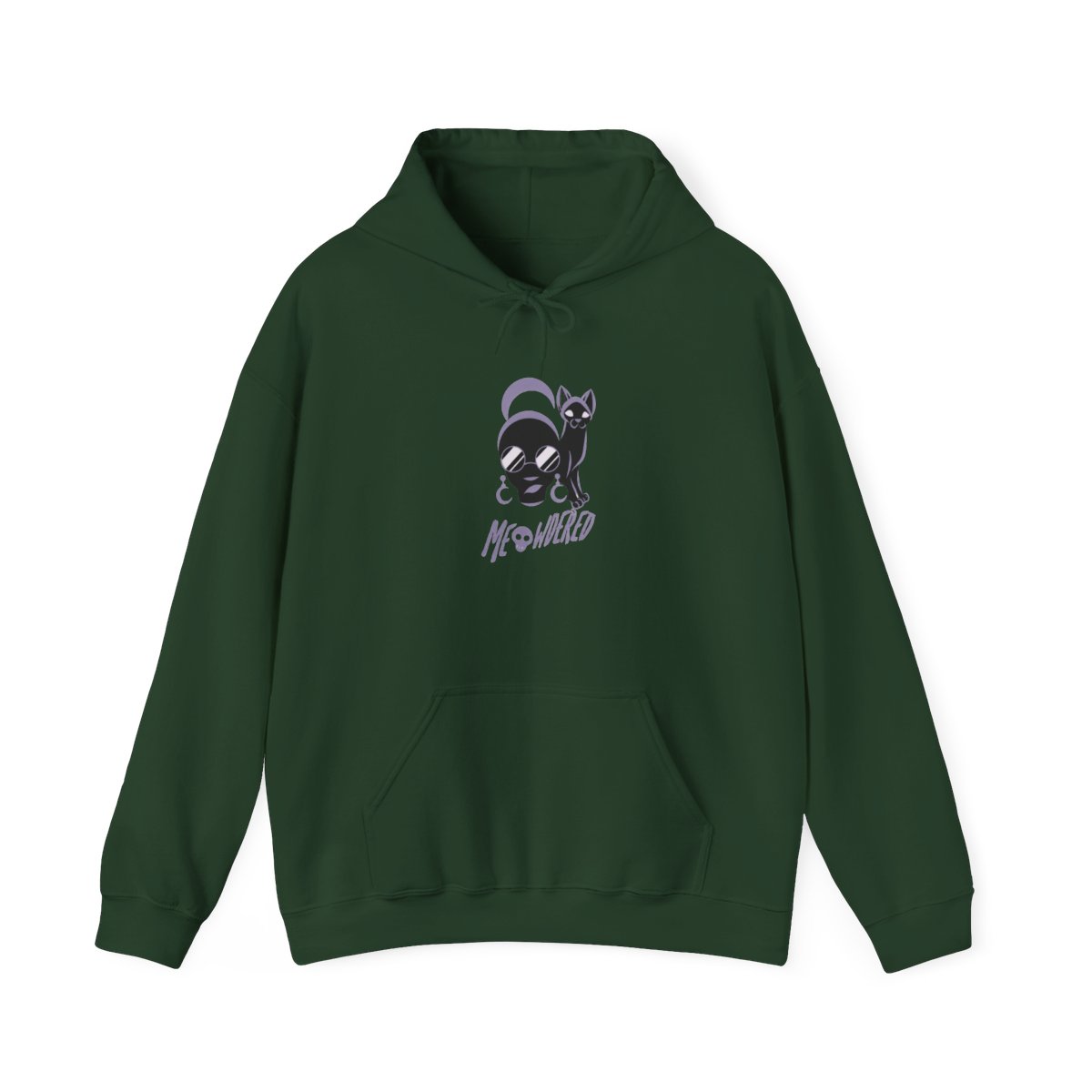
Most people ruin their Deadlock merch before they even get a chance to wear it - by storing it wrong. I've spent years designing prints and seeing what happens when they're folded carelessly or thrown into a drawer. Proper storage isn't just about keeping things tidy; it's about preserving the colors, fabric, and print integrity so your gear looks as good in 2027 as it did new. This guide covers deadlock merch storage tips that go beyond basic advice, with specific techniques I've tested on hundreds of pieces.
← Back to Blog
How to Store Deadlock T-Shirts and Hoodies in 2026
Store your Deadlock t-shirts and hoodies like a pro with these specific techniques for folding, hanging, and protecting prints. Avoid common mistakes that ruin fabric and designs.
Why Proper Storage Matters for Your Deadlock Gear
Your Deadlock t-shirts and hoodies are investments. Whether it's a limited run of the "Emblem Hoodie" or a classic "Phantom Tee," each piece represents art and fandom. Improper storage accelerates wear: folded creases can crack screen prints, hangers can stretch necklines, and light exposure can fade colors. Over a year, a hoodie stored incorrectly can lose up to 30% of its vibrancy based on my observations. That's a big loss for something you love.
The Enemy: Moisture, Light, and Pressure
Three factors degrade your merch: humidity (causes mildew and warps fabric), direct sunlight (bleaches prints and fades dyes), and pressure (creases the garment, especially on heavy hoodies). A closet that stays cool, dark, and dry is ideal. But specific techniques for folding and hanging matter too.
Best Practices for Folding vs. Hanging Deadlock T-Shirts
Step 1: Decide based on fabric and print
For t-shirts, I recommend folding. Hanging can stretch the neckband and cause the shoulders to form "hanger bumps." Hoodies are trickier: heavy ones (like the 12 oz "Emblem Hoodie") are best folded to avoid stretching, while lighter hoodies (8 oz) can be hung if you use padded hangers.
Step 2: The proper fold for t-shirts
Lay the shirt face up, fold one side toward the center (about a third), then the other side over. Flip the bottom up about 6 inches, then fold the whole thing in half. This minimizes creases on the front print. Pro tip: place a sheet of acid-free tissue paper between the print layers to prevent ink transfer.
Step 3: How to hang hoodies safely
Use a wide, padded hanger to distribute weight evenly. Button up the hoodie and drape it over the hanger, not through the neck. This prevents the neckline from stretching. For zip-up hoodies, zip it fully before hanging.
How to Prevent Fading and Cracking on Printed Designs
The wash-dry-storage cycle
Fading and cracking often start in the wash, but storage accelerates them. After washing, never wring out water - press with a towel to remove moisture. Always air dry flat, away from direct sunlight. Once dry, fold promptly. Sunlight through a window can fade a print in just a few hours if the shirt sits in a chair.
Avoid stacking heavy items on top
If you stack multiple t-shirts, the weight can cause cracks at fold lines. I recommend stacking no more than five t-shirts in a single pile for drawer storage. For hoodies, store them on top of stacks, not under a pile of jeans.
Long-Term Storage Solutions for Collectible Deadlock Hoodies
Step 1: Clean before storing
Body oils and stains attract pests and cause yellowing. Spot clean or wash according to care label, then ensure completely dry. Even slight moisture can lead to mildew in sealed bins.
Step 2: Use breathable garment bags
Avoid plastic dry-cleaning bags; they trap moisture. Use cotton garment bags or acid-free boxes. If you use a plastic bin, drill a few small holes for airflow and add silica gel packets (food-grade, not the toxic kind).
Step 3: Store flat, not folded with creases
For a heavy hoodie, fold it with the print facing outward and place it in a wide, shallow bin. Avoid tight folds - roll instead of fold if possible. Rolling reduces stress on the print and fabric.
Organizing Your Deadlock Merch Collection by Season
Rotate your wardrobe
Store off-season pieces separately. In summer, keep hoodies in breathable bins under the bed. In winter, store t-shirts similarly. This reduces handling and extends life. I sort by weight and frequency: daily-wear tees go on a low shelf; special editions go higher in bins.
Label your bins
Use opaque bins to block light, and label with size and season. A simple system: "Deadlock T-Shirts - Summer" or "Hoodies - Heavyweight." This makes grabbing what you need fast without digging through piles.
FAQ
Should I fold or hang my Deadlock hoodies?
Fold heavy hoodies to avoid stretching. Lightweight zip-up hoodies can be hung on padded hangers. Always avoid wire hangers that dent the shoulders.
How can I prevent print cracking from storage?
Minimize creasing by rolling or folding with tissue paper. Avoid stacking heavy items on top. Store in a cool, dark place to prevent heat softening the ink.
Can I store Deadlock t-shirts in vacuum bags?
Vacuum bags compress too much and can crack prints. Use regular storage bins with some air circulation instead.
What's the best way to store limited edition Deadlock merch?
Clean, dry, and store in acid-free boxes or cotton garment bags. Keep in a climate-controlled space away from sunlight and humidity.
How often should I check stored Deadlock merch?
Every 3-6 months. Inspect for pests, moisture, or yellowing. Refold differently to avoid permanent creases.
Related Posts
Shop Deadlock Merch
Official merchandise — premium quality, designed for the community.